November 16, 2026
Choosing between an automatic and manual transmission can affect how a vehicle feels and performs during everyday driving. While both types have advantages, automatic transmissions are a practical option for many drivers because they handle gear changes without requiring constant input from the person behind the wheel. This can make driving more convenient, particularly in areas with frequent stops, heavy traffic, or changing road conditions.
The right transmission depends on several factors, including driving habits, vehicle design, maintenance needs, and personal preferences. When evaluating these factors, transmission mechanics may recommend an automatic transmission because of its convenience, available technology, and compatibility with a wide range of vehicles. Understanding how these systems work and what they offer can help drivers make informed decisions about their vehicles.
Improving Driving Performance
Automatic transmissions are designed to shift gears based on vehicle speed, engine load, and other operating conditions. Instead of requiring the driver to operate a clutch and select each gear, the transmission manages these changes automatically. This allows drivers to focus more on steering, braking, and responding to traffic.
Automatic shifting can also help maintain consistent vehicle performance. When the system is functioning properly, it selects gears to support acceleration and match changing driving conditions. Drivers may notice smoother transitions between speeds, particularly when traveling through traffic or moving between city streets and highways.
However, performance depends on the condition and design of the transmission. Problems with internal components, fluid pressure, sensors, or electronic controls can affect how a vehicle accelerates and shifts. Transmission mechanics can evaluate these symptoms through diagnostic testing and inspections to determine whether a repair or maintenance service is needed.
Simplifying Everyday Driving
One reason automatic transmissions are often recommended is the convenience they provide during routine travel. Drivers do not need to coordinate clutch operation and gear selection, which can make commuting and navigating busy roads less demanding. This is particularly useful for people who regularly encounter stop-and-go traffic or spend significant time driving in urban areas.
Automatic transmissions can also be helpful for drivers who prefer a more straightforward driving experience. Without the need to shift manually, drivers can concentrate on traffic patterns, road conditions, and other vehicles. This may make everyday trips more comfortable, especially when driving involves frequent stops, slow-moving traffic, or repeated acceleration.
Convenience is not the only consideration when choosing a transmission, though. Some drivers prefer manual control, while others prioritize the ease of an automatic system. A vehicle's intended use, manufacturer specifications, and the driver's comfort level all matter when deciding which option is appropriate.
Supporting Long-Term Reliability
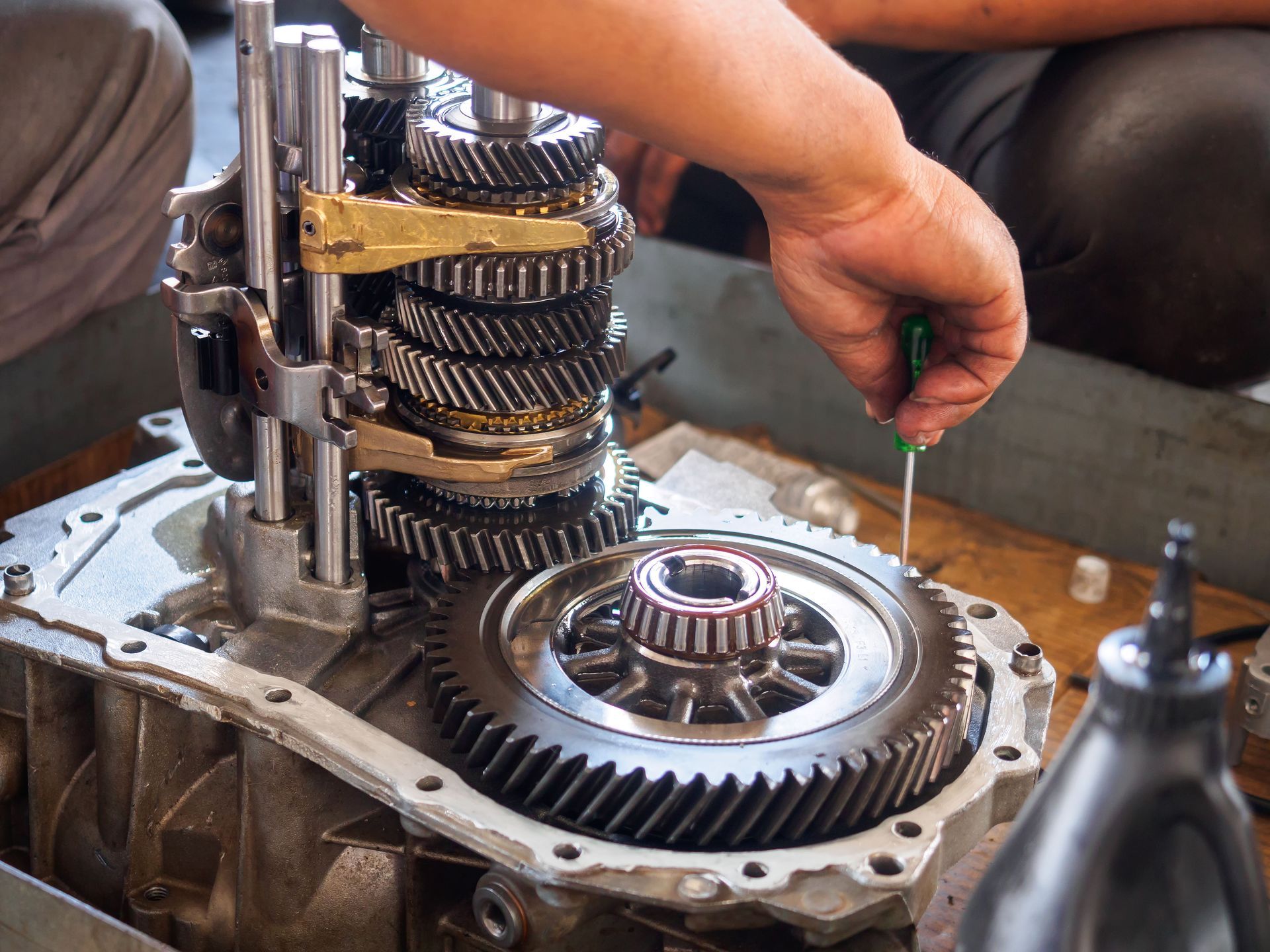
Automatic transmissions contain several components that work together to transfer engine power to the wheels. Depending on the design, these may include clutch packs, valve bodies, torque converters, sensors, and electronic controls. Each component has a specific function, and problems with one part can affect the operation of the entire system.
Like other vehicle components, automatic transmissions require appropriate maintenance and attention when warning signs appear. Fluid condition, operating temperature, driving habits, and the condition of internal parts can all influence how a transmission performs over time. Regular inspections and services recommended by the vehicle manufacturer can help identify developing concerns before they lead to more extensive problems.
Choosing an automatic transmission does not eliminate the possibility of repairs or guarantee a longer service life. Reliability depends on the vehicle, the transmission design, maintenance history, and how the vehicle is driven. When drivers notice slipping gears, delayed engagement, unusual noises, or changes in shifting behavior, transmission mechanics can inspect the system and identify possible causes.
Maintaining Fuel Efficiency
Fuel efficiency is another consideration when comparing transmission types. Automatic transmissions have developed over time, with newer designs using additional gear ratios and electronic controls to manage shifting. These features can help an engine operate within an appropriate range for different driving conditions, potentially supporting efficient fuel use.
According to Statista, automobiles with automatic transmissions were projected to account for approximately one-fourth of the market by 2025. This historical forecast reflects the continued presence of automatic transmission vehicles in the automotive market. It does not mean that every automatic vehicle uses less fuel than a comparable manual model, since efficiency varies by vehicle design, engine, transmission technology, and driving conditions.
Drivers can support their vehicle's intended fuel efficiency by following the manufacturer's maintenance recommendations. Low or degraded transmission fluid, certain mechanical problems, and shifting concerns can interfere with normal operation. Having these issues evaluated promptly can help drivers understand whether transmission service is needed to restore proper performance.
Advancing Transmission Technology
Automatic transmission technology has changed considerably as vehicle manufacturers have introduced new designs and electronic systems. Many modern vehicles use computer-controlled transmissions that monitor operating conditions and adjust shifting behavior. These systems can account for factors such as vehicle speed, engine load, and throttle position when determining when to change gears.
Some vehicles also include different driving modes that adjust transmission behavior. Depending on the model, these settings may change how quickly the transmission shifts or how the vehicle responds to acceleration. Such features give drivers additional options for different driving situations without requiring them to operate the transmission manually.
These developments also make accurate diagnostics important. A shifting problem may involve a mechanical component, an electrical connection, a sensor, or a control system. Transmission mechanics familiar with automatic systems can use diagnostic information and physical inspections to narrow down the source of a concern. Identifying the underlying issue helps determine which service is appropriate instead of relying on symptoms alone.
Serving Different Driving Needs
Automatic transmissions are used in a wide range of vehicles, from everyday passenger cars to trucks and other vehicles designed for specific driving demands. Their convenience can benefit people with long commutes, frequent city driving, or regular highway travel. Drivers who share a vehicle with others may also appreciate an automatic system because it offers a familiar and straightforward driving experience.
Still, the most appropriate transmission depends on how a vehicle will be used. Some drivers value the control of a manual transmission, while others prefer the convenience of an automatic. Vehicle specifications, towing requirements, driving conditions, and personal preferences should all be considered before making a decision.
When a driver is experiencing transmission problems, the first step is determining what is causing them. Slipping, rough shifting, fluid leaks, and delayed engagement can indicate different types of concerns. Transmission mechanics can explain their findings and discuss available repair options based on the vehicle's condition.
Scheduling Professional Transmission Service
Routine maintenance and timely repairs can help keep an automatic transmission operating as intended. Following the manufacturer's recommendations for fluid inspections and service intervals is an important part of vehicle care. Drivers should also pay attention to changes in shifting behavior rather than continuing to operate a vehicle when it shows signs of a possible transmission problem.
Depending on the issue, service may involve transmission diagnostics, fluid-related maintenance, valve body work, torque converter repairs, clutch pack service, or a transmission rebuild. The appropriate solution depends on the results of an inspection and the condition of the affected components. A professional evaluation can help determine whether a targeted repair is sufficient or more extensive work is necessary.
At Mr. Shift's Transmission Shop, drivers can seek help with automatic transmission concerns, including diagnostics, maintenance, and repairs. Contact Mr. Shift's Transmission Shop to discuss your vehicle's transmission needs and schedule professional service.