November 18, 2026
When you shop for a new or used vehicle today, you'll likely notice that many models no longer use the traditional automatic transmission drivers grew up with. Instead, more manufacturers are turning to continuously variable transmissions, often called CVTs. Both systems shift gears automatically, but they work in very different ways and have different maintenance needs. Knowing the difference can help you choose the right vehicle, recognize problems early, and take better care of your car. Below, we'll compare CVTs and traditional automatic transmissions and share what drivers should know about each one.
Understanding Why Automatics Dominate the Road
Automatic transmissions have become the standard for most drivers across the country. According to CarMax, 96% of Americans drive automatics. Their popularity comes from convenience, especially in stop-and-go traffic and busy commutes. Drivers don't need to work a clutch pedal or shift manually, which makes daily driving easier and less tiring. As technology has advanced, automatic transmissions have also become more efficient and responsive. Today, the two most common types you'll find are traditional geared automatics and CVTs.
Exploring How Traditional Automatics Work
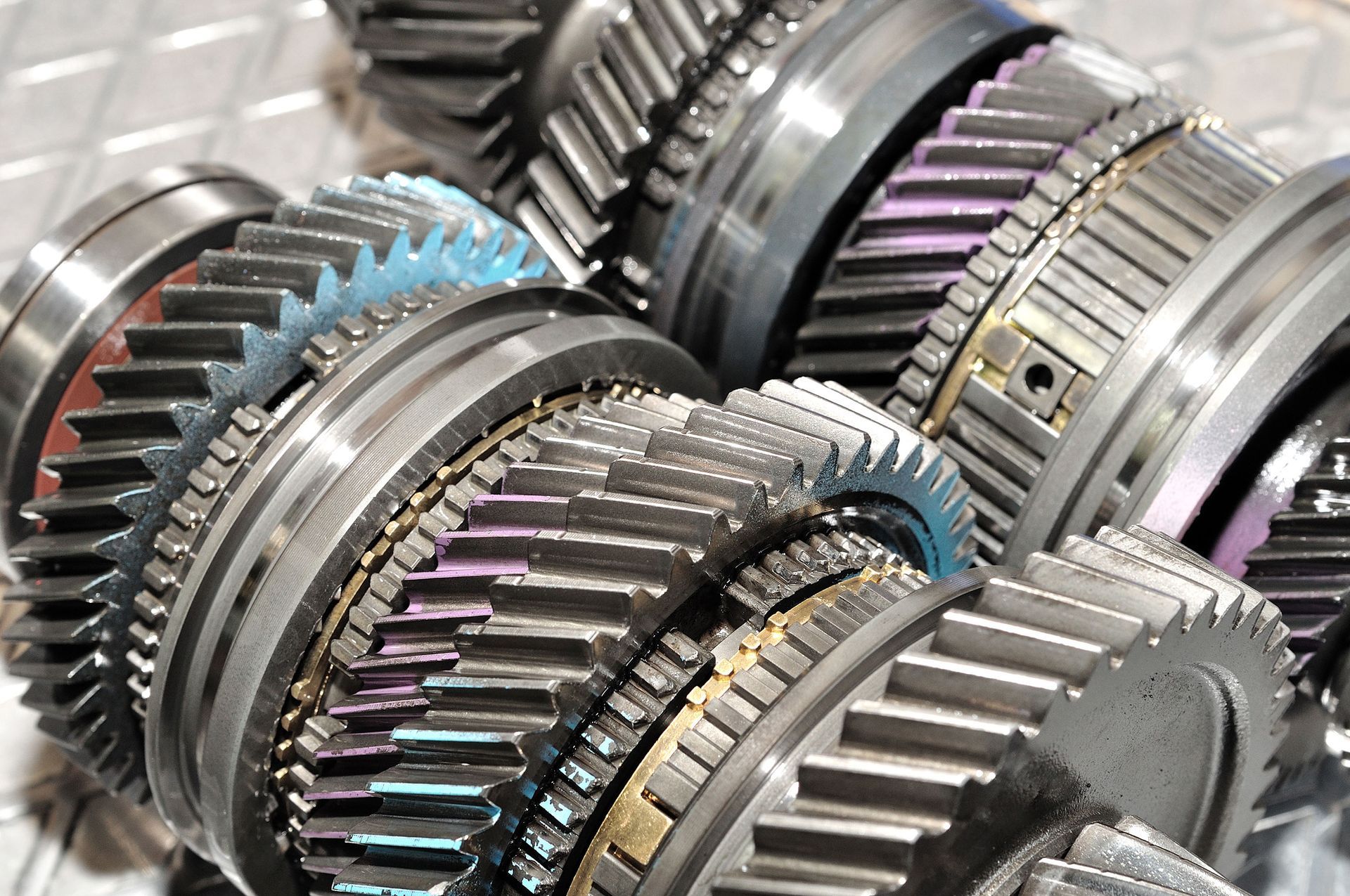
A traditional automatic transmission uses a set of fixed gears, along with a torque converter, clutches, and hydraulic systems, to shift as you accelerate and slow down. You may feel small shifts as the transmission moves from one gear to the next. Many modern automatics have six, eight, or even ten gears to improve performance and fuel economy. These transmissions have been used for decades and are known for their durability when properly maintained. They're common in trucks, SUVs, and many performance vehicles because they can handle heavy loads and towing well. Their long history also means many technicians are very familiar with how they work. Parts and repair information for these transmissions are also widely available, which can help simplify service for many vehicles.
Exploring How CVTs Work
A CVT doesn't use traditional fixed gears. Instead, it typically relies on a system of pulleys connected by a belt or chain that can change size smoothly. This design allows the transmission to adjust to an almost unlimited range of ratios without distinct shifts. As a result, the engine can stay in its most efficient range while you accelerate. CVTs are common in many compact cars, crossovers, and hybrid vehicles. Because they operate differently from traditional automatics, they require specific knowledge and care. Working with an experienced transmission shop like ours helps your CVT get the specialized attention it needs.
Comparing the Driving Experience
Drivers often notice a difference in how the two transmissions feel on the road. Traditional automatics provide noticeable shift points, which many drivers find familiar and responsive. CVTs deliver smooth, continuous acceleration with no traditional shifts at all. Some drivers love that smoothness, while others notice that the engine sound can stay at a steady pitch as speed increases. Many newer CVTs are programmed to simulate shift points so they feel more like a conventional automatic. The best choice often comes down to personal preference and how you plan to use your vehicle. Taking a test drive in vehicles with each type of transmission can help you decide what feels right for you.
Comparing Fuel Efficiency
Fuel economy is one of the main reasons manufacturers have embraced CVTs. Because a CVT can keep the engine running at its most efficient speed, it often helps improve gas mileage, especially during city driving. Traditional automatics have also improved significantly, and those with more gears can deliver strong fuel economy as well. Your driving habits, vehicle size, and engine type all play a role in overall efficiency. For drivers who spend a lot of time commuting, small improvements in fuel economy can add up over time. Over the life of a vehicle, those savings at the pump can make a meaningful difference in your budget. No matter which type you drive, keeping your transmission well maintained helps it operate efficiently.
Understanding Maintenance Needs
Both types of transmissions need regular care, but their maintenance requirements can differ. Traditional automatics and CVTs each rely on specific fluids that must meet the manufacturer's specifications. Using the wrong fluid can cause performance problems or even damage the transmission. CVT fluid plays an especially important role in protecting the belt or chain and pulleys, so following recommended service intervals is essential. Driving conditions like towing, stop-and-go traffic, and extreme temperatures may call for more frequent service, especially during hot Missouri summers. As a trusted transmission shop, we can recommend a maintenance schedule based on your vehicle and driving habits.
Recognizing Warning Signs
Catching transmission problems early can help prevent costly repairs and unexpected breakdowns. With traditional automatics, warning signs may include delayed or harsh shifting, slipping gears, grinding noises, or a burning smell. CVT problems may show up as whining or humming noises, a shuddering sensation, hesitation when accelerating, or the engine revving without the vehicle gaining speed. Fluid leaks and dashboard warning lights are concerns for both types. Red or pink spots under your vehicle can be a sign of a transmission fluid leak. If you notice any of these symptoms, it's best to have your vehicle inspected promptly rather than waiting for the problem to get worse. Our free diagnostics can help identify what's going on so you can make an informed decision.
Considering Repair Options
When a transmission needs attention, the right repair depends on the type of transmission and the extent of the problem. Some issues can be resolved with a fluid service, adjustment, or minor repair, while others may require a more extensive rebuild. CVTs often have unique components and repair procedures that require specialized knowledge. Traditional automatics may involve clutch packs, valve bodies, or torque converter issues. A clear diagnosis helps you understand your options and avoid unnecessary work, which can save you both time and money. As a dedicated transmission shop, we take the time to explain repairs in plain English so you can feel confident about your choices.
Choosing a Shop That Knows Both
Because traditional automatics and CVTs work so differently, it's important to choose a team that understands both. General repair shops may not have the same depth of experience with transmissions as a dedicated specialist does. A focused team can diagnose issues more accurately, recommend the right service, and help extend the life of your transmission. It also helps to choose a shop that stands behind its work and communicates clearly throughout the process. If you have an extended warranty, working with a shop that handles warranty paperwork can make the process much easier. Choosing an experienced transmission shop like ours gives you peace of mind every time you get behind the wheel.
At Mr. Shift's Transmission Shop, we've been helping drivers in St. Peters and the surrounding areas for more than 20 years. Our team provides transmission repair, rebuilds, and maintenance, along with CVT service, clutch repair, differential service, manual and automatic transmission repair, and 4-wheel drive transmission repair. We offer free diagnostics, explain every repair in plain English, and stand firmly behind our workmanship. We also work with extended warranty companies and handle the paperwork for you. Contact Mr. Shift's Transmission Shop today to schedule your free diagnostic. We look forward to working with you soon!